Cream T Polaris LT Review: A Smarter Take on Swappable Pickups
Known for its high-end, boutique, British-built guitars, Cream T has brought its signature technology to a much lower price point with the Polaris LT — and for gearheads and tone aficionados alike, it could well be the answer to your tone-chasing prayers.

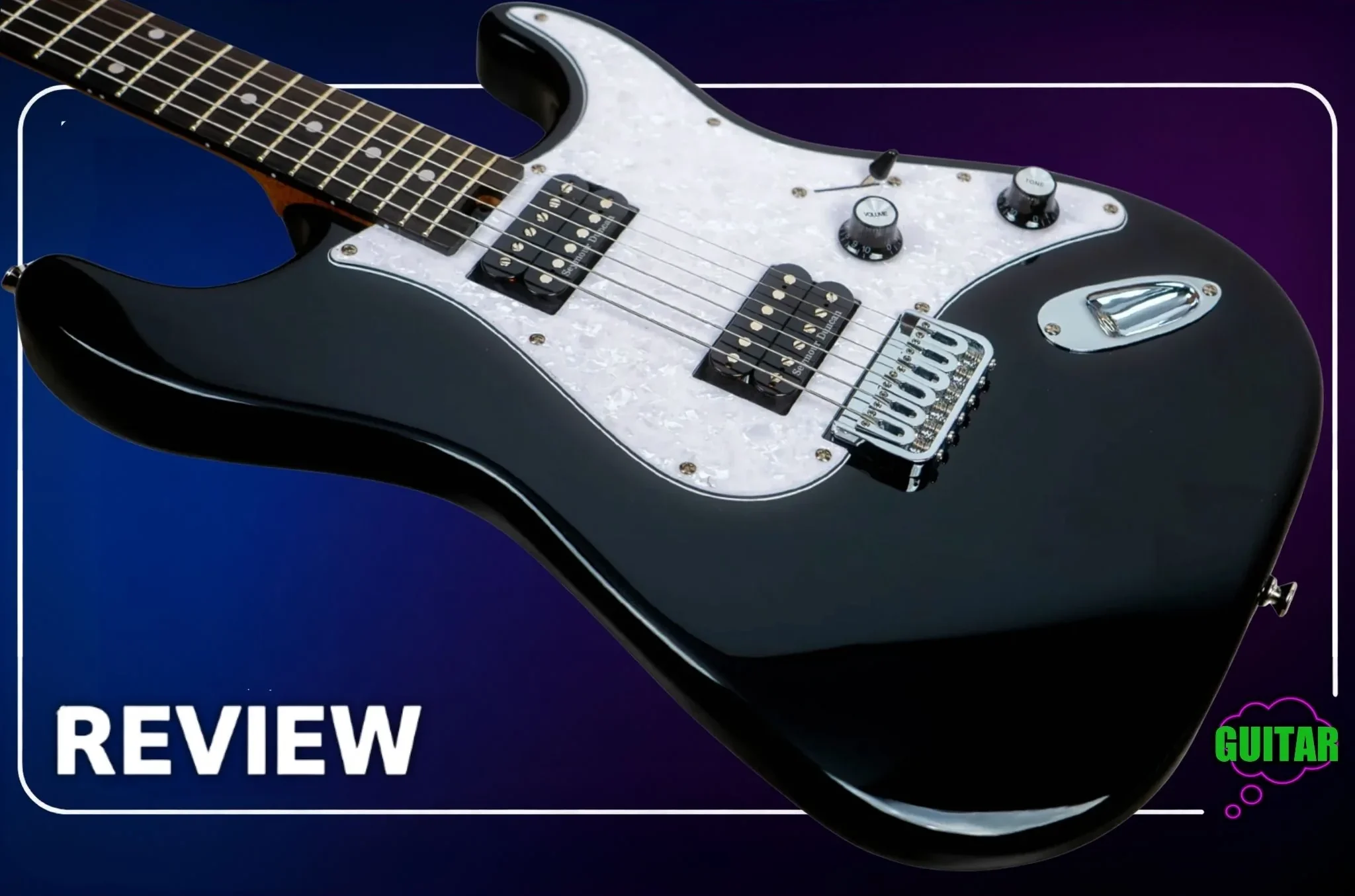
Pickups are without doubt one of the biggest tone-shaping elements on any electric, but changing them usually means soldering, screws and a level of patience many players simply do not have. The Polaris LT tackles that problem head-on with Cream T’s clever Guitar X system, which makes swapping pickups feel less like surgery and more like changing a set of strings — arguably even easier. That alone makes it one of the most interesting guitars in its bracket.
If you know Cream T already, you probably know them for two things: high-end boutique British-built guitars and the Guitar X system. For the uninitiated, Guitar X is a pickup-mounting setup that lets you swap pickups in and out from the back of the guitar in seconds. The pickups sit on dedicated mounting plates, slot straight into the body, and make their electrical connection by clamping into place. Magnets hold everything securely, so there’s nothing to screw down by hand and no soldering to mess about with. You just pull one out, drop another in, and let the guitar do the rest. It’s quick, tidy, and — crucially — secure enough that it’s not going to launch a pickup across the stage halfway through a set.
The review model was the middle of the three available specs, namely the Seymour Duncan version. Every Polaris LT comes with a humbucker-sized Guitar X P90, but this particular model also includes a Seymour Duncan Jazz for the neck and a JB for the bridge. That’s already a pretty useful tonal spread straight out of the gate, from smoother, cleaner voices through to the kind of punch and bite the JB has been famous for forever. The beauty of the system, though, is that you’re not locked into those sounds. If you’ve got favourite pickups of your own — Bare Knuckle, DiMarzio, whatever your poison happens to be — you can wire them to the same mounting plates and use them exactly the same way. Cream T’s wider range of Guitar X-compatible pickups from its more expensive models, including single coils, will fit too. For anyone who’s ever sighed at the sight of a soldering iron, that’s a huge win.
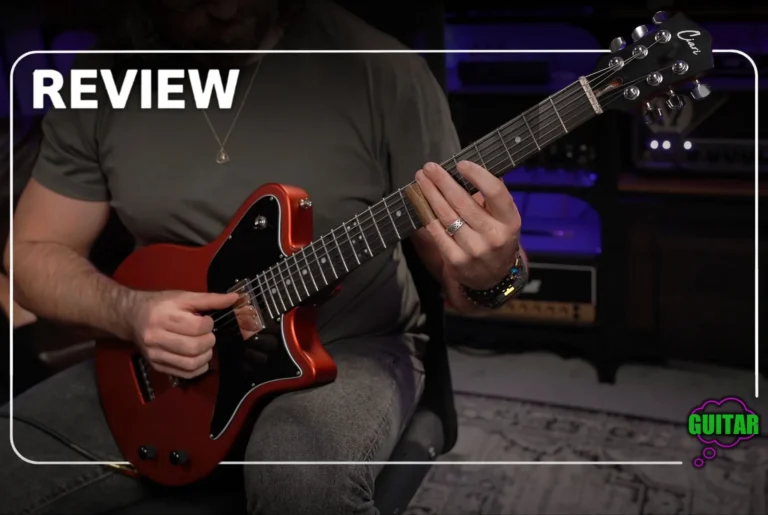
As a guitar in its own right, the Polaris LT sounds very sensibly put together. There’s a matching painted headstock and body finish, which is a departure from Cream T’s more familiar figured and flamed maple aesthetic. It gives the guitar a cleaner, more straightforward look, and honestly, it suits the whole “use me at a gig” vibe rather well. Up top, you get the Cream T logo and a single roller string tree, which helps tuning stability during bigger bends. Flip it over and there’s a roasted maple neck, six-in-line tuners, a handwritten serial number, and a QC pass sticker. Although the guitar is built overseas, quality control is handled by the same UK team that checks the rest of the Cream T range, so the idea here is clearly affordability without abandoning oversight.
The neck profile is described as a shallow C, with fretwire that feels like medium jumbo. In plain English, that means it isn’t some huge, baseball-bat vintage carve, nor is it an absurdly flat shred plank. It sits in a very sensible middle ground: thin and wide enough to feel quick, but not so slim that it feels insubstantial. Anyone hunting for an old-school, chunky Strat-style neck may not fall head over heels, but for most players this sounds like an easy guitar to get along with. It also comes from the factory with a comfortably low action, which is exactly what you want on a guitar aimed at real-world use.
The body is poplar, cut into a familiar S-style shape, and the whole thing is built with practicality in mind. It’s lightweight, balances well seated or on a strap, and feels every inch the sort of guitar you’d actually take out to play rather than polish lovingly under a lamp. The large rear routs required for the Guitar X system help keep the weight down too, and that only reinforces the impression that this is a proper gigging tool rather than a precious show pony.
The hardware follows the same logic. There’s a push-pull tone control for splitting the humbuckers, a three-way selector, plus straightforward master volume and master tone controls. The six-saddle bridge is described as solid and smooth under the hand, with none of those annoying sharp bits some bridges insist on having, and tuning stability is said to be excellent overall. In other words, it sounds like a guitar that gets the boring-but-important stuff right, which is often what separates a cool idea from a genuinely useful instrument.
And that’s really where the Polaris LT starts to make a lot of sense. The pickups are genuinely hot-swappable, so yes, you could change them mid-gig. The reviewer even swapped them mid-solo in the intro, which is wonderfully unnecessary but does prove the point. More realistically, it means you could go from a hotter bridge humbucker like the JB to something more vintage-voiced between songs without dragging a second or third guitar to the venue. That’s not just convenient — for a lot of players, it’s the difference between a fun studio curiosity and a seriously practical live instrument.
Cream T has also given players a few ways into the range. The most affordable Guitar X package is only available in metallic black, while the other specs — including the Seymour Duncan version reviewed here — open up other finish options. The higher-spec version also includes a deluxe gig bag, which does sweeten the deal a bit depending on what you need. Importantly, though, the core guitar itself remains the same, so the decision really comes down to how you want to spec your pickup package and trim.
Taken as a whole, the Polaris LT feels like the working player’s Cream T. It brings the company’s signature technology to a much lower price point, keeps the guitar itself simple and functional, and offers a level of tonal flexibility that most instruments in this bracket simply can’t touch. For someone after a first proper intermediate guitar, or for a player who likes the idea of one solid instrument that can cover a huge amount of ground just by swapping pickups, the Polaris LT makes a very convincing case.
For more information on the Cream T Polaris LT, head to Cream T’s official website.
Click here, for more Gear Reviews