“I still always felt like the odd guy in the band”: Joe Satriani on why he turned down becoming Ritchie Blackmore’s permanent replacement in Deep Purple in 1994
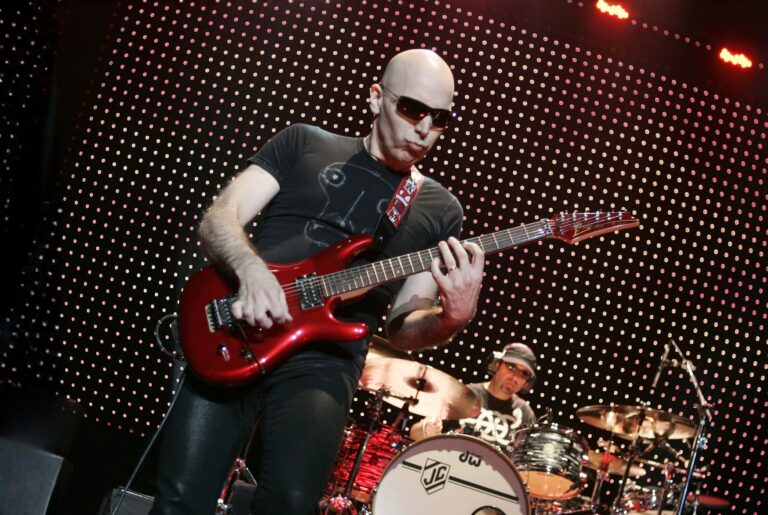
Joe Satriani had the opportunity to become Deep Purple’s permanent guitarist after stepping in for Ritchie Blackmore in 1993–1994. But despite being welcomed by the band, he couldn’t shake one feeling: “I’m Joe from Long Island. I’m not part of Deep Purple.”

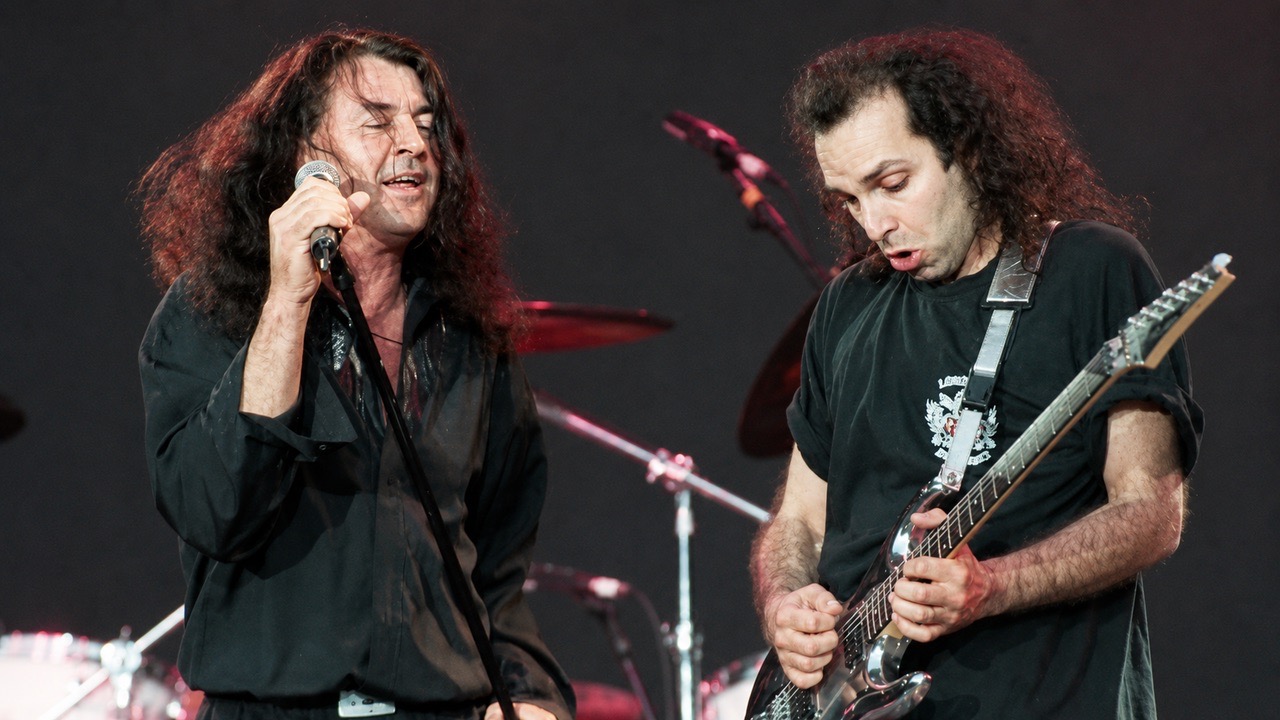
Stepping into a legendary guitar player’s shoes when they exit a multi-platinum rock band is not the sort of gig any guitarist takes lightly — even when your name is Joe Satriani. The iconic collaboration between Joe Satriani and Deep Purple remains one of rock music’s most fascinating stories. In fact, the Joe Satriani Deep Purple period is often discussed among fans as a unique chapter in the band’s history.
For Satriani, the call to join Deep Purple for a run of shows in the mid-’90s came with all the hype and pressure you’d expect from filling in for Ritchie Blackmore. This wasn’t just another band looking for a hired gun. It was Deep Purple — one of hard rock’s great institutions, with a catalogue built around some of the most recognisable riffs and solos ever committed to tape.
Satriani had only a week to prepare for the Japanese tour, and his homework came in the form of cassettes sent by Roger Glover from a show in Düsseldorf where, for half the set, Blackmore wasn’t even there. Not exactly a clean roadmap for stepping into one of rock guitar’s most scrutinised roles.
Then came the first rehearsal in Tokyo.
“I walk in there thinking, okay, this is really weird, because this is Deep Purple,” Satriani tells Thinking About Guitar. “They’re all right here standing in the room with me. We play ‘Highway Star,’ and they sound exactly like the record.”
That, he says, was the mind-blowing part. The sound, the groove, the singing, the feel — all of it was right there in the room. There was only one issue. Interestingly, this new line-up was still labeled as the Joe Satriani Deep Purple to many observers at the time.
“The only problem was I didn’t sound like Ritchie,” Satriani says. “That was the biggest issue: my guitar just didn’t sound like Ritchie Blackmore’s guitar. How am I going to get through this gig?”
As it turned out, the band had no interest in asking Satriani to become a Blackmore tribute act. If anything, they wanted the opposite. After years of internal drama, they were ready for a different energy onstage.
“They were ready for somebody like me to come in with a different-sounding guitar, a different attitude and a different way of playing,” he says. “They just kept saying, ‘Be yourself, be yourself.’”
And for a while, it worked. Satch did the Japanese dates, then returned for a summer tour of Europe. By then, it was becoming obvious that Blackmore was not coming back, and Deep Purple needed a permanent solution. Somewhere along that run, Glover asked whether Satriani would be interested in joining properly. As a result, Joe Satriani Deep Purple performances became a memorable part of ’90s rock history.
It was tempting. Satriani was having a ton of fun playing the material, and the band had made him feel welcome. But he could never quite shake the feeling that he was the wrong fit for the job.
“I kept thinking, I’m Joe from Long Island. I’m not part of Deep Purple,” he says.
As a fan, he felt the band probably needed someone closer to their own history: a British guitarist from the same generation who could make the transition feel more natural. As an artist, he also knew what he would be giving up.
“I was also thinking, wow, I have a solo career. Why would I put that aside?” he says. “The one thing that gave me the most pleasure was being able to play my own music in front of people and have them respond to it. I thought, I don’t want that to go away.”
There was another truth too. However welcoming Deep Purple had been, the gig would always come with Blackmore’s shadow attached.
“I would never be able to play a Deep Purple gig and not have to play like Ritchie, because that’s the gig,” Satriani says. “Let’s face it, he’s one of the founding members.
“If you take that gig, that’s the cross you bear. And I thought, why?”
Satriani played his final show with Deep Purple at the Oberfrankenhalle in Bayreuth, Germany, on July 6, 1994, before returning to his solo career. It is clear that the Joe Satriani Deep Purple era is remembered by fans as a remarkable period.
Joe Satriani is currently on the road with Sammy Hagar, Michael Anthony and Kenny Aronoff as part of The Best of All Worlds tour. For dates and ticket information, head to Satriani’s official site.