Spira S-420 and T-420 Review: Affordable Shred Machines Get a Serious Upgrade
The Spira S-420 and T-420 pack fast necks, killer pickups and double-locking trems into two seriously capable shred machines at a wild price.

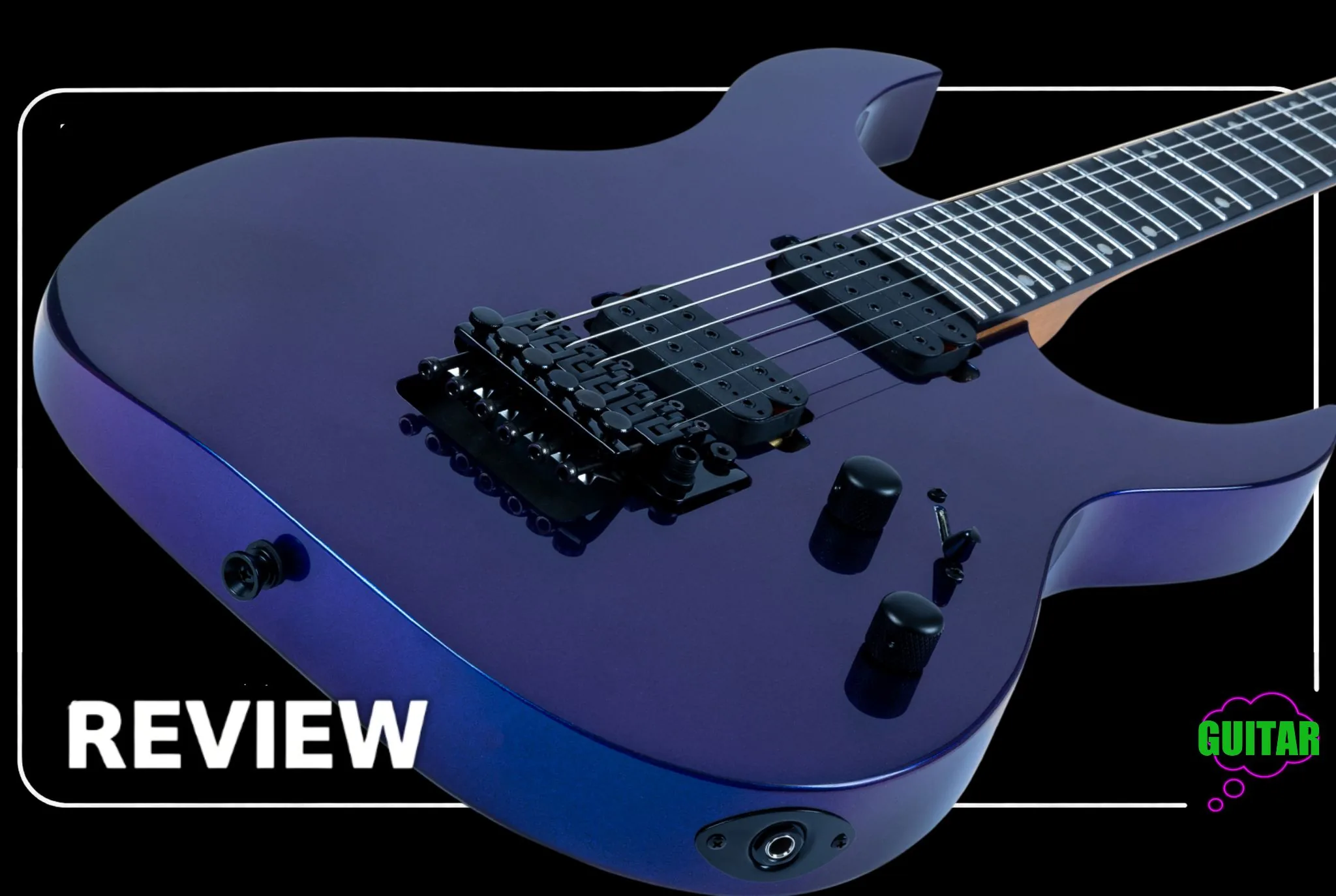
The Spira S420 and T420 are modern, high-performance guitars built with aggressive players firmly in mind. Both feature roasted Canadian rock maple necks, Spira Villain humbuckers, 24-fret access and Korean-made double-locking tremolo systems, with the main difference coming down to body shape and ergonomics. The T420 offers a larger, slightly offset single-cut design, while the S420 takes the more compact Super Strat route with additional comfort contours. They look like metal guitars, they behave like metal guitars, but there’s considerably more versatility here than the pointy headstocks might have you believe.
Spira has made something of a habit of cramming alarming amounts of specification into guitars that don’t cost alarming amounts of money, and the 420 Series continues that trend. The big development here is the addition of a double-locking tremolo, transforming what were already very capable modern instruments into proper whammy-bar-equipped shred machines.
And, thankfully, the trem is good.
It’s a Korean-made unit rather than a Floyd Rose, although anyone familiar with a Floyd will immediately know what they’re looking at. There’s loads of travel in both directions, the fine tuners have plenty of usable range, and return to pitch is excellent. Perhaps more importantly for those of us whose right hands occasionally resemble blunt instruments, it isn’t ridiculously sensitive.
That matters. A super-responsive floating bridge can be wonderful for expressive lead playing, but less wonderful when every enthusiastic palm-muted riff sends the entire chord wobbling around in pitch. The Spira trem strikes a sensible balance: you can get all the dips, dives and gargles you could reasonably want without having to treat the guitar like unexploded ordnance during rhythm parts.
Obviously I can’t tell you what the knife edges will look like after five years of abuse, but out of the box it behaves like a quality piece of hardware.
The pickups might be even more impressive.
Spira’s custom-wound Villain humbuckers are voiced specifically for modern aggressive playing, and unlike the pickups in an awful lot of affordable guitars, I wouldn’t be immediately reaching for the soldering iron. The bridge pickups in both guitars measured a little over 12K, while the neck units came in just north of 8K. Spira lists the bridge as a 12K ceramic pickup, and that output balance works extremely well.
The bridge is tight, punchy and aggressive without having an enormous woolly bottom end. There’s plenty of bite when you lean into lead work, but riffs stay controlled and articulate rather than dissolving into low-frequency soup. The neck pickup is noticeably smoother and lower in output, with a slightly flutey quality that works beautifully for fluid lead lines.
The surprise comes when you select both pickups. There’s a genuinely lovely clean sparkle here, and suddenly these very angry-looking guitars become rather convincing for funkier and cleaner material too.
There are no coil splits, despite the Villains using four-conductor wiring, and that initially feels like a slightly strange omission. Throwing a push-pull pot or five-way blade into the equation would open up even more sounds without much drama. That said, I didn’t actually find myself missing split tones while playing the guitars, so perhaps this is one of those features I want because I know it could be there rather than because I desperately need it.
Both models share the same neck recipe, and it’s a good one. We get roasted Canadian rock maple with a slim modern D profile and a smooth satin finish. It’s fast and tactile without feeling insubstantial, and the roasted construction should offer some welcome stability for players whose guitars regularly move between cold vans, warm studios, aircraft and whatever other climatic indignities touring throws at them.
The fretboard is made from something Spira calls “Ebony Tech”. Exactly what Ebony Tech is remains something of a mystery to me, although I’d assume we’re dealing with some form of ebony substitute. Whatever it is, it looks like ebony and feels remarkably like ebony. Given that natural ebony can shrink and produce those delightful little razor blades we call fret sprout, a more stable alternative certainly isn’t something I’m going to complain about.
I’m also strangely fond of the fret markers. In the lower octave they sit towards the bass side of the board, where your fingers tend to live when you’re riffing, before moving towards the treble side as you climb into solo territory. This is an incredibly nerdy thing to get excited about, but it genuinely makes visualising the fretboard a little easier.
There’s also a removable Velcro string dampener behind the locking nut. A locking nut already cuts down much of the sympathetic ringing from that section of string, but when you’re tracking tight, heavily picked rhythm guitars, every little bit helps. Better still, you can pull it off and stick it on another guitar when required.
The choice between the S420 and T420 is mostly personal preference.
I’m a T420 guy. It starts with the familiar T-style single-cut silhouette, adds a slight offset and a sharp Florentine cutaway, and somehow ends up looking substantially meaner than its traditional inspiration. The neck joint and cutaway provide excellent access all the way to the 24th fret, and there’s a neat recessed rear plate that allows access to the tremolo adjustment screws without removing the plate itself.
The S420 is the more compact option, using the familiar Super Strat formula with both a belly cut and forearm contour. It feels noticeably smaller on the lap, and players who prefer sleek, heavily sculpted guitars may find it the more natural fit. The Chameleon flip-flop finish is also spectacular, changing character as the light moves across it.
Tonally, though, there’s very little separating the two, so this isn’t really a question of better or worse. Pick the one that feels right.
And then there’s the price.
Spira’s value proposition here borders on the ridiculous. You could buy both of these guitars for roughly what you might expect to spend on one similarly specified instrument from plenty of other manufacturers.
More importantly, these aren’t merely “good budget guitars”. They’re good guitars, full stop. I’d happily take either on tour if I were playing heavy music. Would I bring one to a blues gig? Probably not, although that would say considerably more about the gig than the guitar.
For metal, shred, fusion and pretty much anything that benefits from a fast neck, excellent pickups and a reliable double-locking trem, the S420 and T420 are seriously impressive instruments. Choose your preferred body shape, point the headstock somewhere nobody can injure themselves on it, and get to work.
Find out more about the Spira S-420 and T-420 at SpiraGuitars.com