“Defendants selected and placed a recognizable image of Brent on the album cover”: Brent Hinds’ estate sues Mastodon over his share of the band’s business and use of his likeness
Brent Hinds’ estate is suing Mastodon over an unresolved business buyout, an $80,000 offer and the alleged use of his likeness on Marrow Deep.

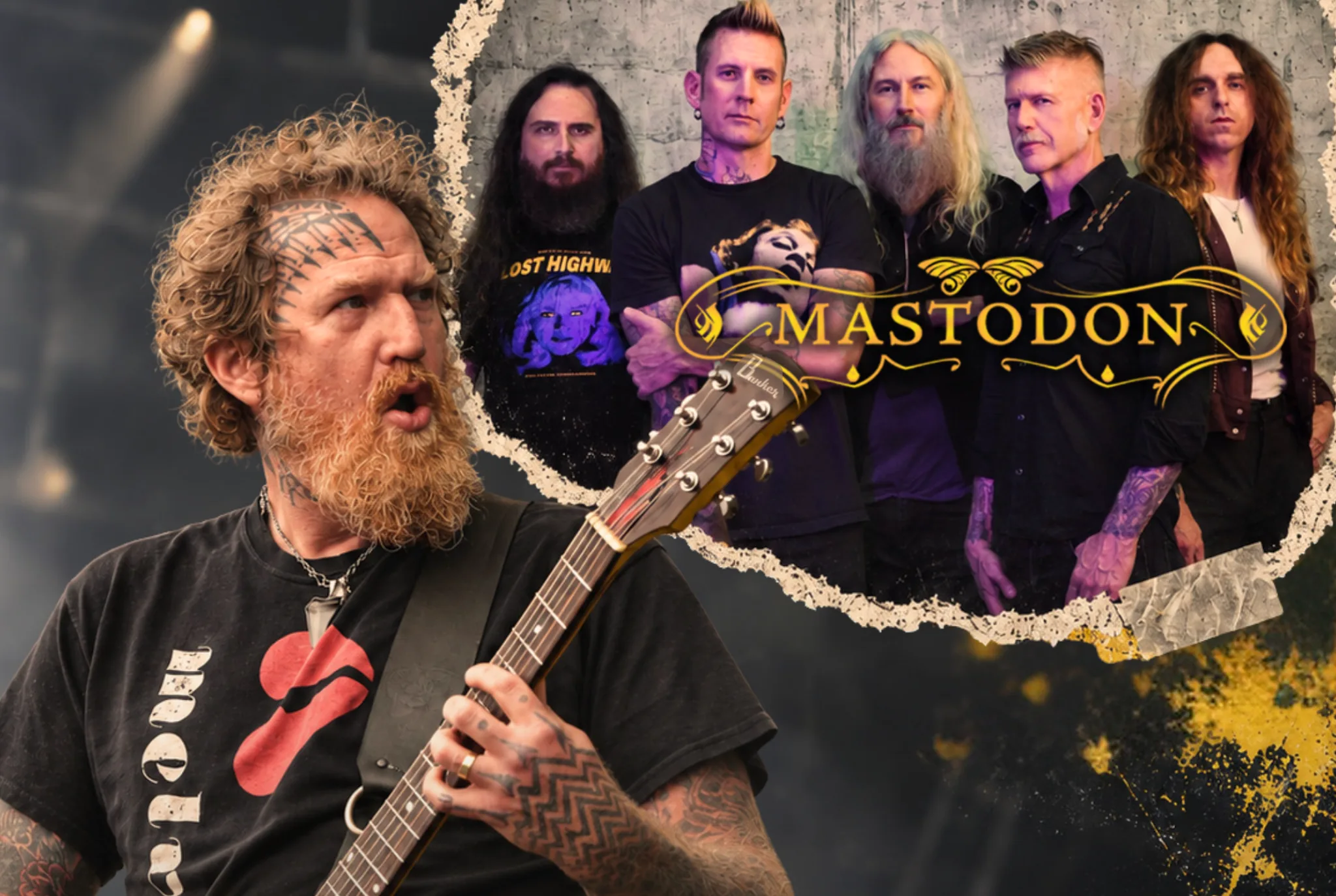
The relationship between Brent Hinds and his former Mastodon bandmates had already ended on difficult terms before the guitarist’s death last year. Now, that dispute has reportadly moved to the courts.
Hinds’ estate has filed a civil lawsuit against Mastodon and surviving members Brann Dailor, Bill Kelliher and Troy Sanders, claiming the guitarist was never properly bought out of his ownership interests in the band and its associated businesses before his death.
The complaint, filed in Fulton County Court on September 3, also accuses the band of using Hinds’ likeness to promote its latest album, Marrow Deep.
According to the lawsuit, Hinds still held ownership interests in Mastodon, its merchandise operation and other companies connected to the band when he died in a motorcycle crash in August 2025.
The remaining members had reportedly presented Hinds with proposed terms for separating his interests from those businesses following his departure from Mastodon earlier that year.
But Hinds never signed the agreement — and his death meant that process was never completed.
According to the lawsuit, Mastodon subsequently sent Hinds’ estate an $80,000 check intended as an aggregate buyout of his interests. The estate says it was not provided with an explanation of how that figure had been calculated and has declined to cash the check while seeking a full accounting.
But the financial dispute is only one part of the case.
Mastodon released Marrow Deep, its first studio album without Hinds, in August. Hinds did not perform on the record, but his estate claims his face can be seen incorporated into its artwork.
“Defendants selected and placed a recognizable image of Brent on the album cover of Marrow Deep,” the estate alleges.
The lawsuit claims the artwork was subsequently used commercially across physical records, streaming services, downloads and merchandise.
It’s an allegation that adds another complication to what had already become an increasingly difficult public aftermath to Hinds’ departure from the band.
When Mastodon announced the guitarist’s exit in March 2025 after 25 years together, the band said the two parties had “mutually decided to part ways.”
Hinds later presented a very different version of events.
“They kicked me out of the band for embarrassing them for being who I am,” he wrote in a social media comment several months later.
It wasn’t the only indication that Hinds’ departure had been considerably less amicable than Mastodon’s initial statement suggested.
In another since-deleted comment, Hinds said he wouldn’t miss being in the group and described his former bandmates as “horrible humans.”
Since Hinds’ death, Mastodon have spoken more openly about what they say led to the split, including discussing his alleged struggles with substance abuse and the difficulties those issues created within the band.
The estate does not directly challenge those allegations in its lawsuit, but takes issue with the surviving members publicly discussing aspects of Hinds’ personal life that it says he had chosen to keep private.
The point is: this is a good bit more than a dispute over an image buried within an album cover. At the heart of the lawsuit is a much larger question over whether Hinds still owned a stake in the Mastodon business at the time of his death – and, if he did, exactly what that stake was worth.
After 25 years as one of the band’s four founding members, the estate argues that his financial separation from Mastodon had never actually been completed.
The $80,000 check appears to have done little to settle that question.
It’s important to note that no court has yet ruled on whether Hinds’ estate is entitled to additional compensation or whether Mastodon’s use of his likeness was unlawful.
Representatives for both Mastodon and Hinds’ estate did not respond to the Atlanta Journal-Constitution’s request for comment as of the publication of this story.
Mastodon released their ninth studio album, Marrow Deep, on 28 August 2026 via Loma Vista Recordings — their first full-length since 2021’s Hushed and Grim.