Spira V400 Review: This Affordable Flying V Is Built to Rip
The Spira V400 is cheap, fast and unapologetically metal. We dig into its slick neck, Villain pickups, clever details and one setup gripe.

Flying Vs are brilliant, ridiculous things. They instantly look like they should be hanging around somebody’s knees in front of a wall of Marshalls, they’re completely hopeless if you insist on playing seated in the traditional position, and yet somehow none of that matters because, well… look at them. The Spira V400 leans wholeheartedly into that spirit, but does so at a price that makes the whole thing surprisingly accessible.
The V400 sits in Spira’s affordable range of metal-focused instruments and comes with a spec sheet that covers most of the things modern players actually care about: a roasted maple neck, locking tuners, Villain humbuckers, string-through-body construction and a little string dampener behind the nut. More importantly, none of these features feel like they’ve been added simply to make the bullet points look impressive. They all make sense on the guitar.
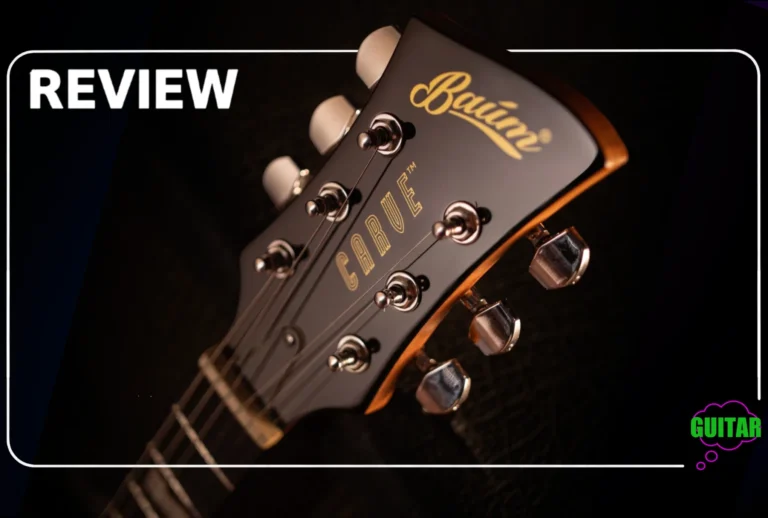
The headstock is a perfect example. New guitar brands seem to have an almost supernatural ability to design headstocks that look like somebody sneezed halfway through drawing them, but Spira has avoided that particular trap. The V400’s reverse headstock is aggressive without becoming silly and suits the shape of the guitar beautifully. Reverse headstocks still confuse my classic-rock-wired brain more than I’d care to admit, but metal players who’ve been living with this kind of thing for years will wonder what I’m complaining about.
You’ll find six Spira-branded locking tuners up there, using a thumbscrew design that feels extremely solid and accurate. They’re pleasantly tactile too, which sounds like a minor detail until you use cheap tuners that feel like they’re full of gravel.
Just behind the nut is one of my favourite Spira touches: a small Velcro-mounted string dampener. It’s there to control the ringing you get from the lengths of string behind the nut when you’re really laying into down-picked rhythm parts. Anyone who has spent far too long tracking tight metal guitars only to discover an irritating little metallic “zing” hiding in the background will understand immediately why this is useful. It’s simple, removable and comes fitted as standard.
The roasted maple neck is paired with what Spira calls an “Ebony Tech” fretboard. I still don’t entirely know what Ebony Tech actually is, but whatever they’re doing, it looks good and feels nice. The neck itself has a very slim modern-D profile and is properly fast. If your idea of a good time involves playing more notes than is strictly necessary, you’re going to get on very well with it.
The fretboard inlays are particularly clever. In the lower register they sit towards the bass side, making them easy to see when you’re riffing, then switch over to the treble side higher up the neck where they’re more useful for navigating lead lines. It’s the sort of tiny design decision you barely notice until you realise somebody has actually thought about how the guitar is going to be played.
Upper-fret access is also better than you might expect from looking at the fairly chunky heel. The body is chamfered slightly around the neck joint, so even when you’re racing around the dusty end of the fretboard, it never becomes much of an obstacle.
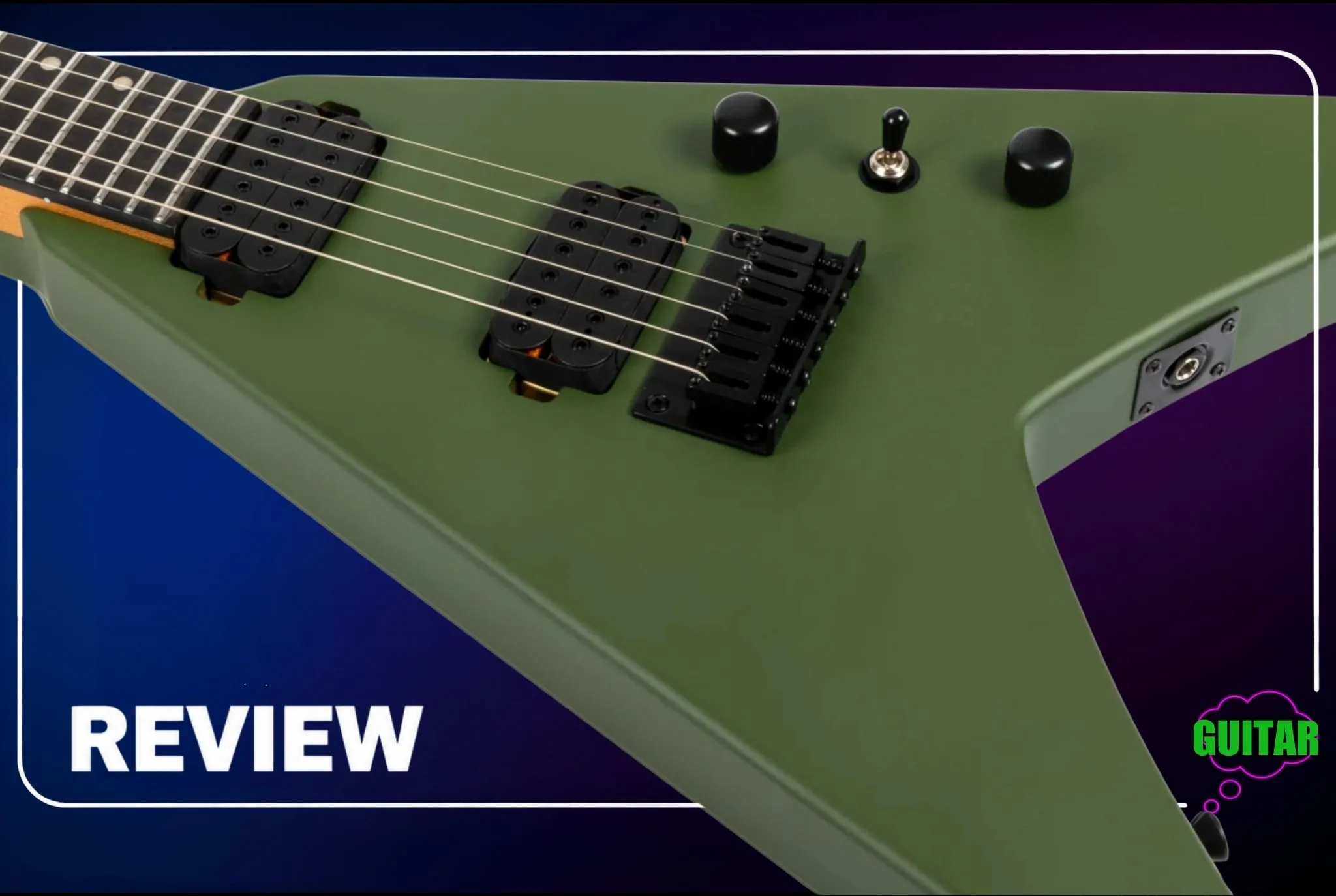
The review guitar came finished in army green, which looks excellent on a shape this unapologetically metal, although there are several other finishes available. Construction-wise, there’s a recessed output jack, string-through-body ferrules and a sturdy six-saddle bridge.
My particular V400 did arrive with the action set noticeably higher than I’d have liked. That was a little surprising because the other Spira guitars I’ve spent time with have generally turned up with excellent setups. A quick adjustment sorted things out, but if you’re buying at this end of the market and don’t do your own setup work, it’s always sensible to leave a little room in the budget for a professional setup.
Once dialled in, though, the guitar is extremely comfortable. The strap-button placement means it balances really well standing up, and the V shape works nicely in the classical seated position. Try to sit back and balance it conventionally across your leg and it will immediately make a break for freedom, but that’s hardly Spira’s fault. Flying Vs have been doing this to people for decades.
The real star of the show might be the Villain humbuckers. The neck pickup is warm and rounded, sitting somewhere in that DiMarzio Air Norton sort of territory that works beautifully for fat lead sounds. It has plenty of body without turning into a woolly mess.
The bridge pickup measures around 14k, so despite the fairly aggressive name, it isn’t some absurdly overwound fire-breather. Instead, it has a nicely focused midrange, a tight percussive response and enough restraint in the high end to stop distorted tones becoming wiry. For metal rhythm sounds, it’s very well voiced.
You get three straightforward pickup selections via the toggle: bridge, both and neck. My only real complaint is the lack of a coil split. The Villains use four-conductor wiring, so the ability is sitting there waiting to be used, and a push-pull pot isn’t exactly unobtainium. All three stock sounds are excellent, but I’d still like to see Spira add that extra option as standard.
That gripe aside, the V400 gets an awful lot right. It looks fantastic, plays fast, balances properly and has pickups that are genuinely suited to the sort of music the guitar is clearly built for. The setup on my example needed a little attention, but once sorted, there really wasn’t much to complain about.
If you’re a metal player who has always fancied a Flying V but doesn’t particularly fancy emptying a bank account to get one, the Spira V400 is a very appealing proposition.
Find out more about the Spira V400 at SpiraGuitars.com